
Introduction
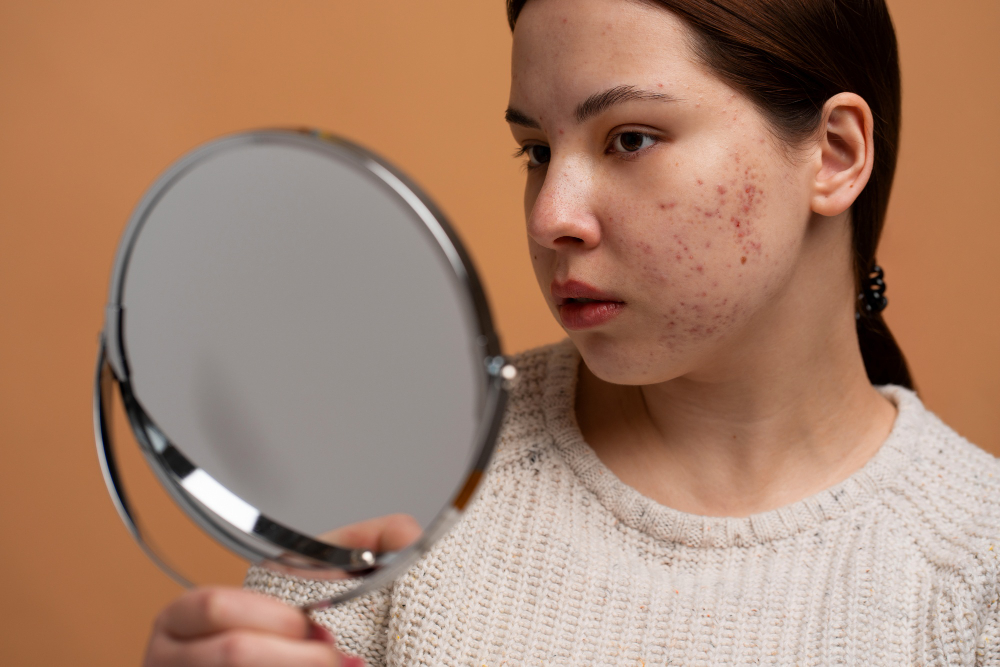
Hyperpigmentation is a common skin condition. It causes dark spots or patches to appear on the skin. These spots can affect your face, hands, or other areas. For many people, hyperpigmentation can lower confidence. However, understanding how to prevent and treat dark spots can help. This guide explains what hyperpigmentation is, its causes, and the best ways to manage it.
What is Hyperpigmentation?
Hyperpigmentation means your skin makes too much pigment, called melanin. As a result, dark spots or patches form. These spots may look brown, black, or even gray. There are several common types of hyperpigmentation:
Symptoms and Causes
Hyperpigmentation shows up as dark spots or patches on the skin. Sometimes, these spots are small. Other times, they cover larger areas. The main causes include:
Because many factors can cause dark spots, it is important to know what triggers yours.
Diagnosis
Dermatologists diagnose hyperpigmentation by looking at your skin. Sometimes, they use a special light to see the spots better. In rare cases, a small skin sample may be taken for testing. Usually, no blood tests are needed. Early diagnosis helps you start the right treatment sooner.
Prevention Tips
While not all dark spots can be avoided, many can be prevented. Here are some simple, proven tips:
Because prevention is easier than treatment, these habits can help keep your skin clear.
Treatment Options
There are many ways to treat hyperpigmentation. Some treatments are available at home, while others require a dermatologist. Here are the main options:
Because some treatments may not suit everyone, it is best to consult a dermatologist. They can recommend the safest and most effective option for your skin type.
Lifestyle and Home Care
Daily habits can support treatment and help prevent new dark spots. For example, you can:
Because healthy skin starts with good care, these steps can make a big difference.
When to See a Dermatologist
Sometimes, dark spots do not fade with home care. If you notice spots that change shape, color, or size, see a dermatologist. Also, if you have pain, itching, or bleeding, get medical advice. Early treatment can prevent spots from getting worse. In addition, a dermatologist can check for other skin problems.
Conclusion
Hyperpigmentation is common, but you can take steps to prevent and treat dark spots. Because every skin type is different, what works for one person may not work for another. For the best results, consult a dermatologist at Dermashrii for personalized advice on preventing and treating hyperpigmentation.