
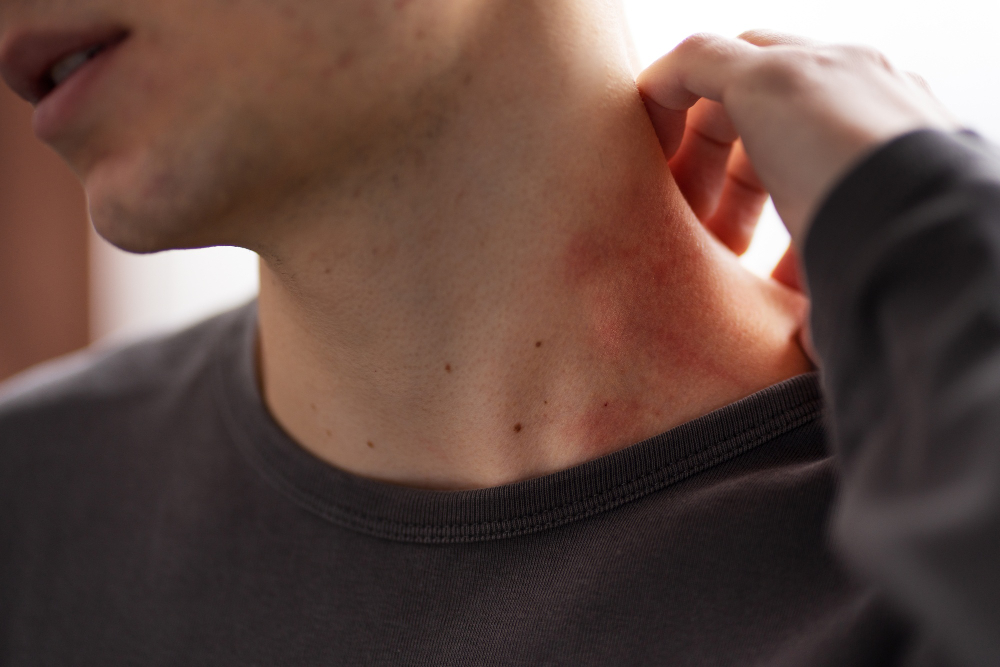
What is Lichen Planus?
Lichen planus is a skin condition that causes itchy, flat bumps. These bumps can appear on your skin, mouth, nails, or scalp. Although it is not contagious, it can be uncomfortable. Many people want to know about lichen planus symptoms and how to prevent lichen planus. Understanding this condition can help you manage it better.
Symptoms of Lichen Planus
Symptoms can vary from person to person. However, most people notice the following signs:
Sometimes, lichen planus affects only one area. But in other cases, it can appear in several places at once. If you notice these symptoms, it is important to seek advice early.
Causes and Risk Factors
Doctors do not know the exact cause of lichen planus. However, experts believe it is linked to the immune system. The body may attack its own skin or tissues by mistake. Several factors may increase your risk:
Even though anyone can get lichen planus, it is more common in adults. Women may be affected more often than men.
Diagnosis
Doctors diagnose lichen planus by looking at your skin or mouth. Sometimes, they may take a small sample of skin, called a biopsy, for testing. Blood tests can also help rule out other causes. Because lichen planus can look like other skin problems, a proper diagnosis is important. Early diagnosis helps you get the right lichen planus treatment.
Treatment Options
There is no cure for lichen planus, but treatments can help control symptoms. Your doctor may suggest:
In many cases, lichen planus goes away on its own within two years. However, some people may need long-term care. Always follow your doctor’s advice for the best results.
Lifestyle Tips and Prevention
While you cannot always prevent lichen planus, some steps may help reduce flare-ups. For example, you can:
Because triggers can be different for each person, keeping a symptom diary may help you spot patterns. This can make it easier to avoid things that make your symptoms worse.
When to See a Doctor
If you notice new skin bumps, mouth sores, or nail changes, it is wise to see a doctor. Early treatment can help prevent scarring and discomfort. In addition, if your symptoms do not improve with home care, or if you have pain or trouble eating, seek medical advice. For those looking for lichen planus treatment in your area, a dermatologist can guide you to the best options.
In summary, lichen planus can be managed with the right care. Consult at Dermashrii for personalized advice on lichen planus.