
Introduction
An itchy scalp can be annoying and sometimes embarrassing. While many people think dandruff is the only cause, there are other reasons for an itchy scalp. Sometimes, the problem is more than just dry skin or flakes. In fact, scalp conditions like psoriasis, eczema, or even allergies can cause discomfort. Because of this, it is important to know what might be behind your symptoms. This guide will help you understand the causes, symptoms, and treatments for a persistent itchy scalp.
What Is an Itchy Scalp?
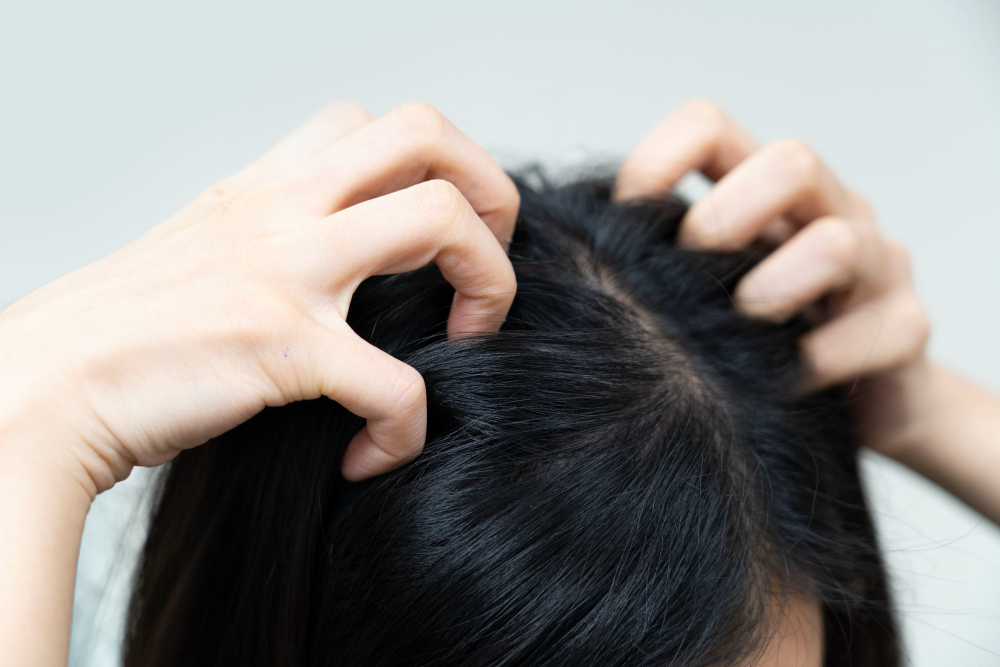
An itchy scalp means you feel the urge to scratch your head often. Sometimes, the itch is mild. Other times, it can be severe and affect your daily life. While dandruff is a common reason, other scalp conditions can also lead to itching. For example, infections or skin problems may be the cause. Knowing the difference can help you find the right itchy scalp treatment.
Common Causes Beyond Dandruff
Although dandruff is well known, several other issues can cause a persistent itchy scalp. Here are some common causes:
Because these causes are different, treatment will depend on the reason for your itchy scalp.
Symptoms to Watch For
It is important to notice other signs that come with an itchy scalp. While mild itching is common, some symptoms may point to a more serious scalp condition. For example, you should watch for:
If you notice these symptoms, it may be time to seek medical help. Early treatment can prevent the problem from getting worse.
How Is Itchy Scalp Diagnosed?
Doctors use several steps to find the cause of an itchy scalp. First, they will ask about your symptoms and medical history. Next, they may look at your scalp closely. Sometimes, they use a special light or take a small skin sample. In some cases, they may check for lice or signs of infection. Because each scalp condition is different, a correct diagnosis is key for proper treatment. According to the American Academy of Dermatology, seeing a dermatologist can help you get the right care.
Treatment Options
Treatment for an itchy scalp depends on the cause. While some cases need medical care, others can be managed at home. Here are some common itchy scalp treatments:
However, always follow your doctor’s advice for the best results.
Prevention and Lifestyle Tips
There are steps you can take to keep your scalp healthy and reduce itching. For example:
Because climate can affect scalp health, adjust your hair care routine during hot, humid, or dry seasons. These simple steps can help prevent a persistent itchy scalp.
When to See a Dermatologist
Sometimes, home care is not enough. If your itchy scalp does not improve or gets worse, it is time to see a dermatologist. You should also seek help if you notice:
Because early treatment can prevent serious problems, do not wait too long to get help.
Conclusion
In summary, an itchy scalp is not always caused by dandruff. Many scalp conditions can lead to itching and discomfort. While some cases are mild, others may need medical care. If you have a persistent itchy scalp, consult a dermatologist at Dermashrii for personalized advice. Taking care of your scalp can help you feel comfortable and confident every day.