Introduction
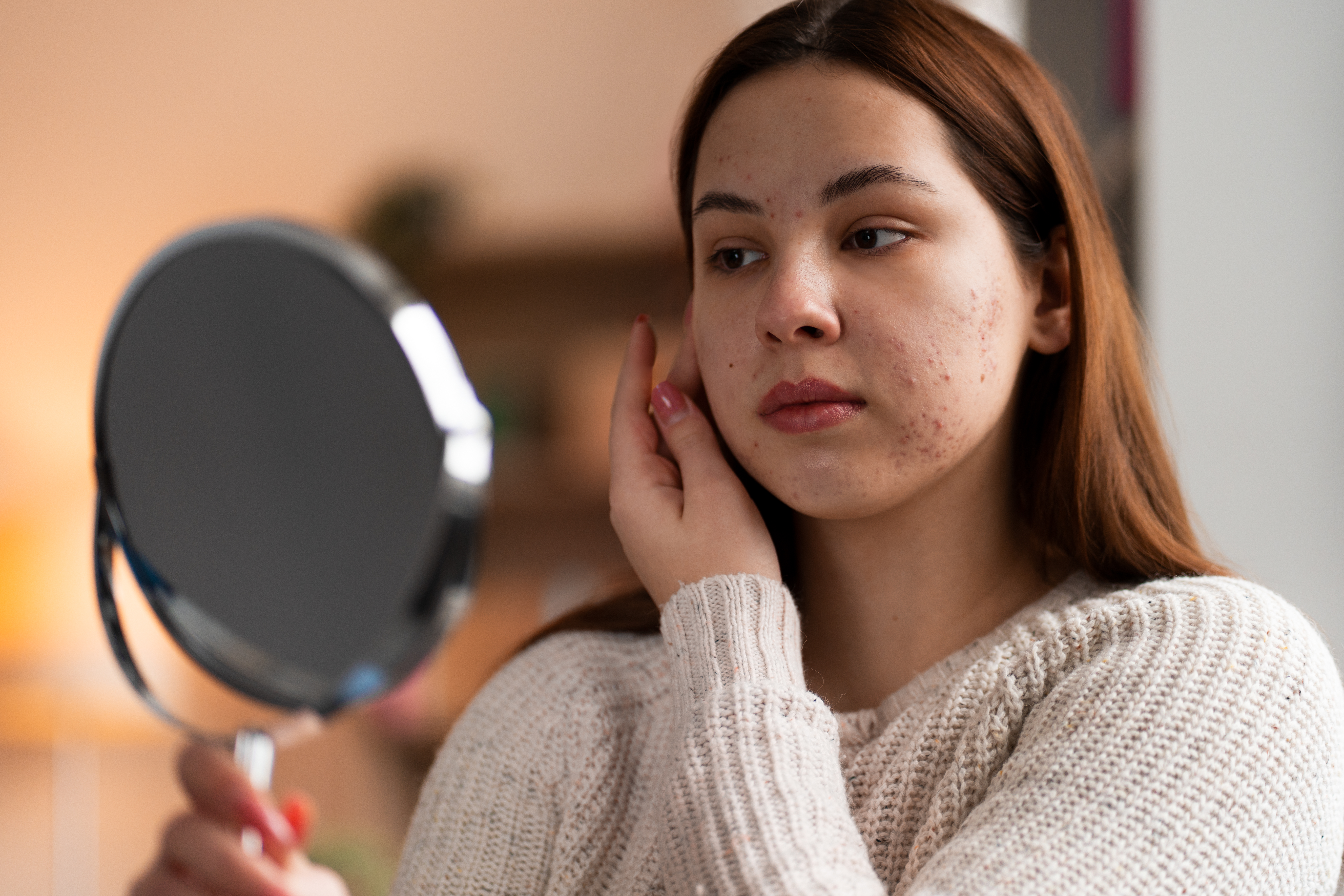
Many people think acne is only a teenage problem. However, adult acne in your 30s is common and can be frustrating. In fact, hormonal breakouts often appear during this stage of life. These breakouts can affect your confidence and daily comfort. Understanding why they happen and how to treat them can help you manage your skin better. This blog explains the causes, symptoms, and best ways to treat adult acne in your 30s.
What Is Adult Acne?
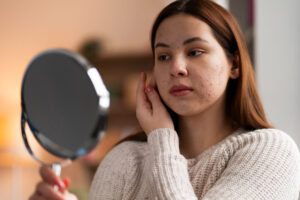
Adult acne is acne that appears after the age of 25. Unlike teenage acne, it often shows up on the lower face, jawline, and neck. While it can look like teenage acne, it may last longer and be harder to treat. For many, these breakouts are linked to changes in hormones, stress, or lifestyle. Adult acne can affect both men and women, but it is more common in women.
Why Do Hormonal Breakouts Happen in Your 30s?
Hormonal acne in adults often starts in the 30s. During this time, hormone levels can change due to many reasons. For example, pregnancy, periods, or stopping birth control can affect hormones. Stress can also cause hormone changes that lead to breakouts. As a result, oil glands in the skin may produce more oil, which can clog pores and cause acne. Even small hormone shifts can trigger breakouts in adults.
Common Symptoms and Signs
Adult acne has some clear signs. Usually, it appears as:
Often, these breakouts are deeper and more stubborn than teenage acne. Sometimes, they can leave scars if not treated well.
Causes and Risk Factors
There are many causes of adult acne. Some of the most common include:
In addition, not washing your face after sweating or wearing tight hats can make acne worse. Genetics also play a role. If your parents had adult acne, you may be more likely to get it too.
Diagnosis: How Is Adult Acne Identified?
Doctors diagnose adult acne by looking at your skin. They may ask about your health, stress, and family history. Sometimes, they check for other skin problems that look like acne. In rare cases, blood tests may be needed to check hormone levels. Most of the time, a simple skin exam is enough. Early diagnosis helps you get the right treatment and avoid scars.
Effective Treatment Options
There are many ways to treat adult acne in your 30s. The best adult acne treatments often include:
In addition, gentle skin care is important. Use mild cleansers and avoid scrubbing your skin. Over-the-counter products can help mild cases. However, for stubborn acne, a dermatologist can suggest stronger treatments. According to the American Academy of Dermatology, combining treatments often works best.
Lifestyle Tips and Prevention
Simple lifestyle changes can help prevent and manage hormonal acne in adults. Try these tips:
Moreover, always remove makeup before bed. If you sweat during the day, wash your face soon after. These steps can lower your risk of breakouts.
When to See a Dermatologist
If your acne does not improve with home care, it is time to see a dermatologist. Also, if you have painful cysts, scars, or feel upset about your skin, seek help. Dermatologists can offer advanced treatments and advice. Early treatment can prevent scars and boost your confidence. For those in larger cities, you can search for “adult acne treatment in [Your City]” to find local experts.
In summary, adult acne in your 30s is common but treatable. With the right care and support, you can manage breakouts and enjoy clear skin. Consult a dermatologist at Dermashrii. or personalized advice on managing adult acne.