What is Photodermatitis?
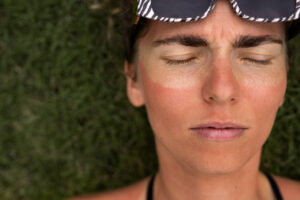
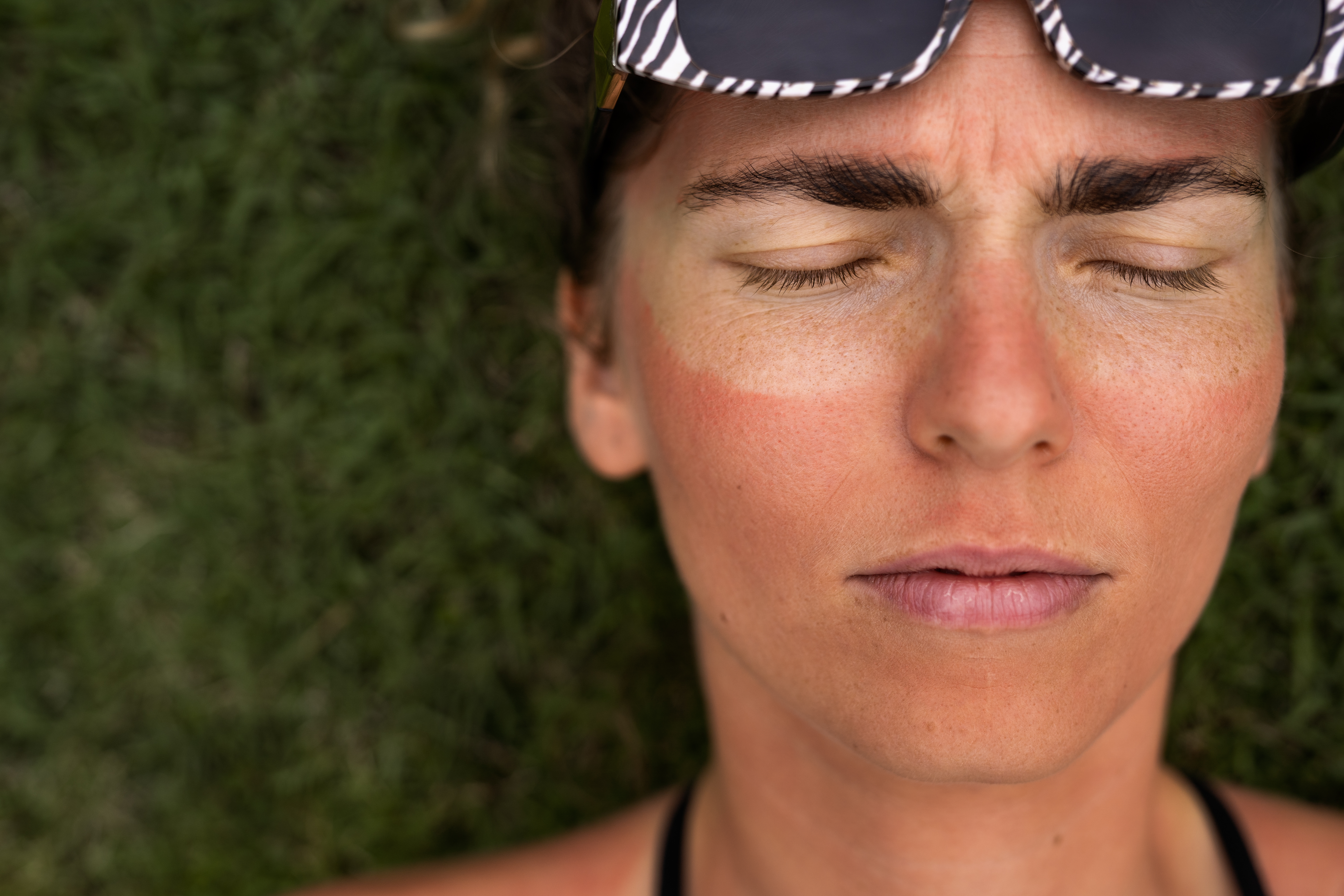
Photodermatitis is a skin reaction that happens when sunlight triggers a rash. Many people call it a sun-induced skin rash or April sun allergy. This condition is also known as a photosensitivity skin reaction. It can affect anyone, but some people are more sensitive to sunlight. While mild cases may cause redness, severe cases can lead to blisters or swelling. Understanding photodermatitis helps you protect your skin, especially during sunny months like April.
Why Does the April Sun Trigger Skin Rashes?
During April, the sun’s rays become stronger as spring turns to summer. As a result, your skin gets more exposure to ultraviolet (UV) light. For some people, this extra sunlight can cause a skin rash. In addition, outdoor activities increase in April, so you may spend more time outside. Because of this, the risk of sun-induced skin rashes or outdoor sun allergy rises in the spring.
Common Symptoms of Photodermatitis
Photodermatitis can look different for each person. However, some symptoms are more common. If you notice any of these signs after sun exposure, you may have a photosensitivity skin reaction:
Sometimes, these symptoms appear within hours. Other times, they may show up a day later. Either way, it is important to watch for changes in your skin after being in the sun.
Causes and Risk Factors
Photodermatitis happens when your skin reacts to sunlight. But, several things can make this reaction more likely. For example, some medicines or skin products can increase your risk. In addition, certain health conditions may make your skin more sensitive. Here are some common causes and risk factors:
According to the World Health Organization (WHO), UV rays are a major trigger for skin reactions like photodermatitis.
Diagnosis: How Photodermatitis is Identified
If you develop a rash after sun exposure, a doctor can help find the cause. Usually, they will ask about your symptoms and recent activities. Sometimes, they may do a skin exam or ask about any new medicines. In some cases, doctors use special light tests to see how your skin reacts. Blood tests may also help rule out other conditions. Early diagnosis is important, so you can avoid future flare-ups.
Treatment Options for Photodermatitis
Treating photodermatitis depends on how severe your symptoms are. For mild cases, simple steps may help. However, if your rash is painful or widespread, you may need medical care. Common treatments include:
According to the Centers for Disease Control and Prevention (CDC), avoiding sun exposure is key during treatment.
Prevention Tips for Sun-Induced Skin Rashes
Preventing photodermatitis is possible with a few simple steps. Because the April sun can be strong, it is wise to protect your skin. Try these tips to lower your risk:
By following these steps, you can enjoy the outdoors while keeping your skin safe.
Lifestyle Guidance for Sensitive Skin
Living with sensitive skin means you need to take extra care. For example, always test new skin products on a small area first. In addition, drink plenty of water to keep your skin hydrated. If you plan to be outside, reapply sunscreen every two hours. Also, wash off any lotions or perfumes before going into the sun. These habits can help prevent flare-ups and keep your skin healthy.
When to See a Dermatologist
Sometimes, home care is not enough. If your rash does not improve or gets worse, it is time to see a dermatologist. You should also seek help if you have:
Early treatment can prevent complications and help you find relief.
If you notice unusual skin rashes after sun exposure, consult a dermatologist at Dermashrii for personalized advice.